05 June
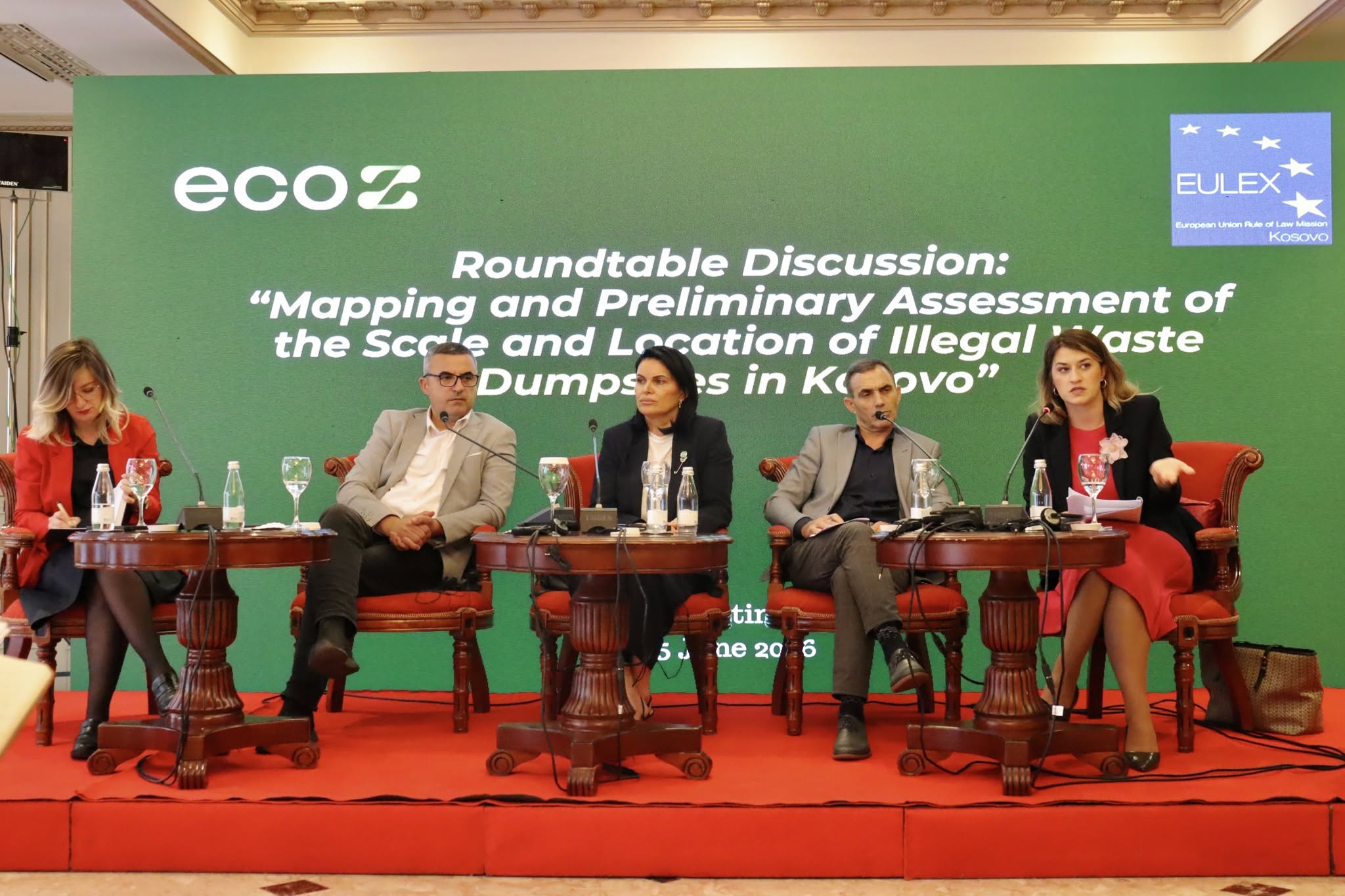
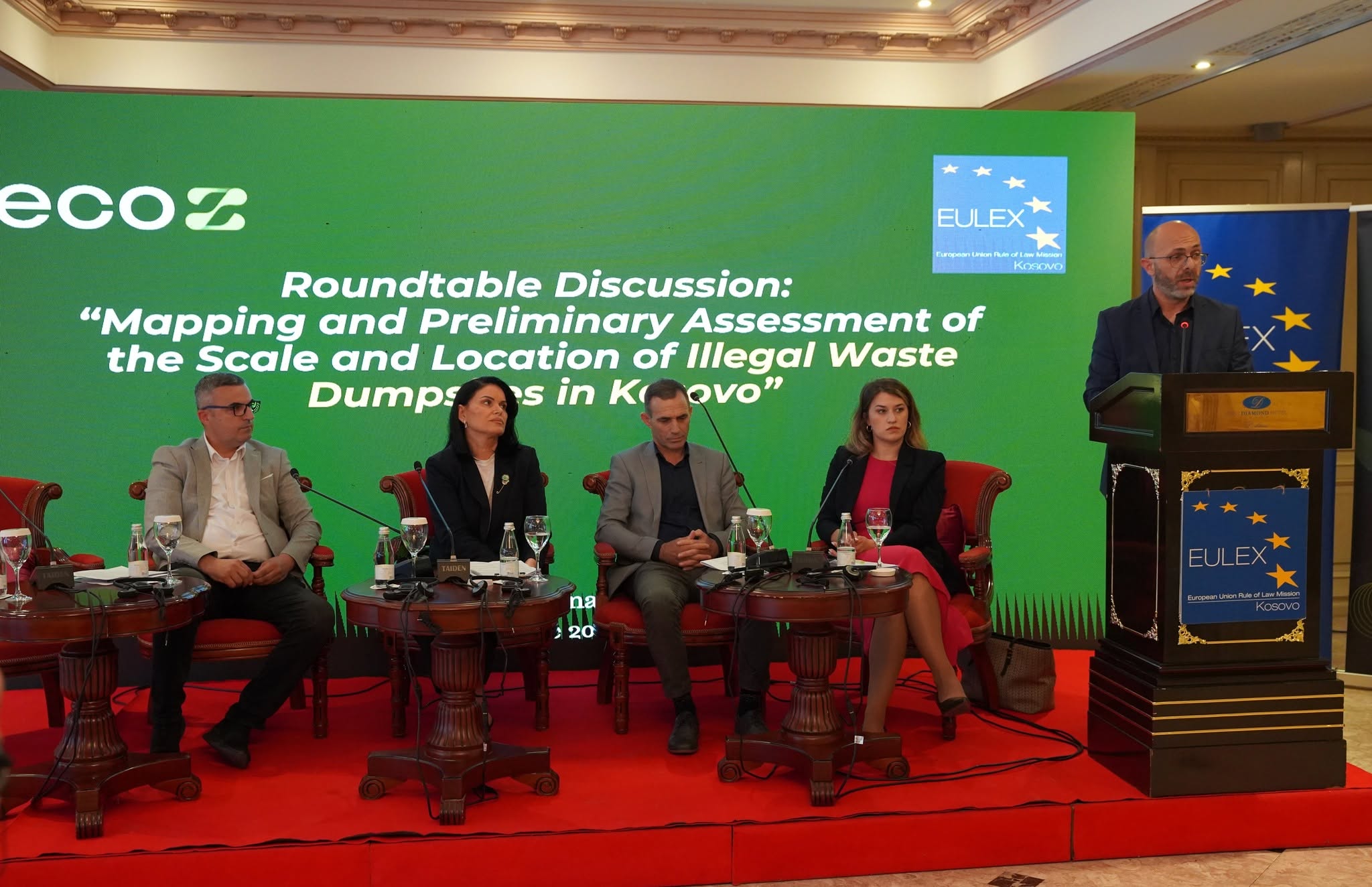
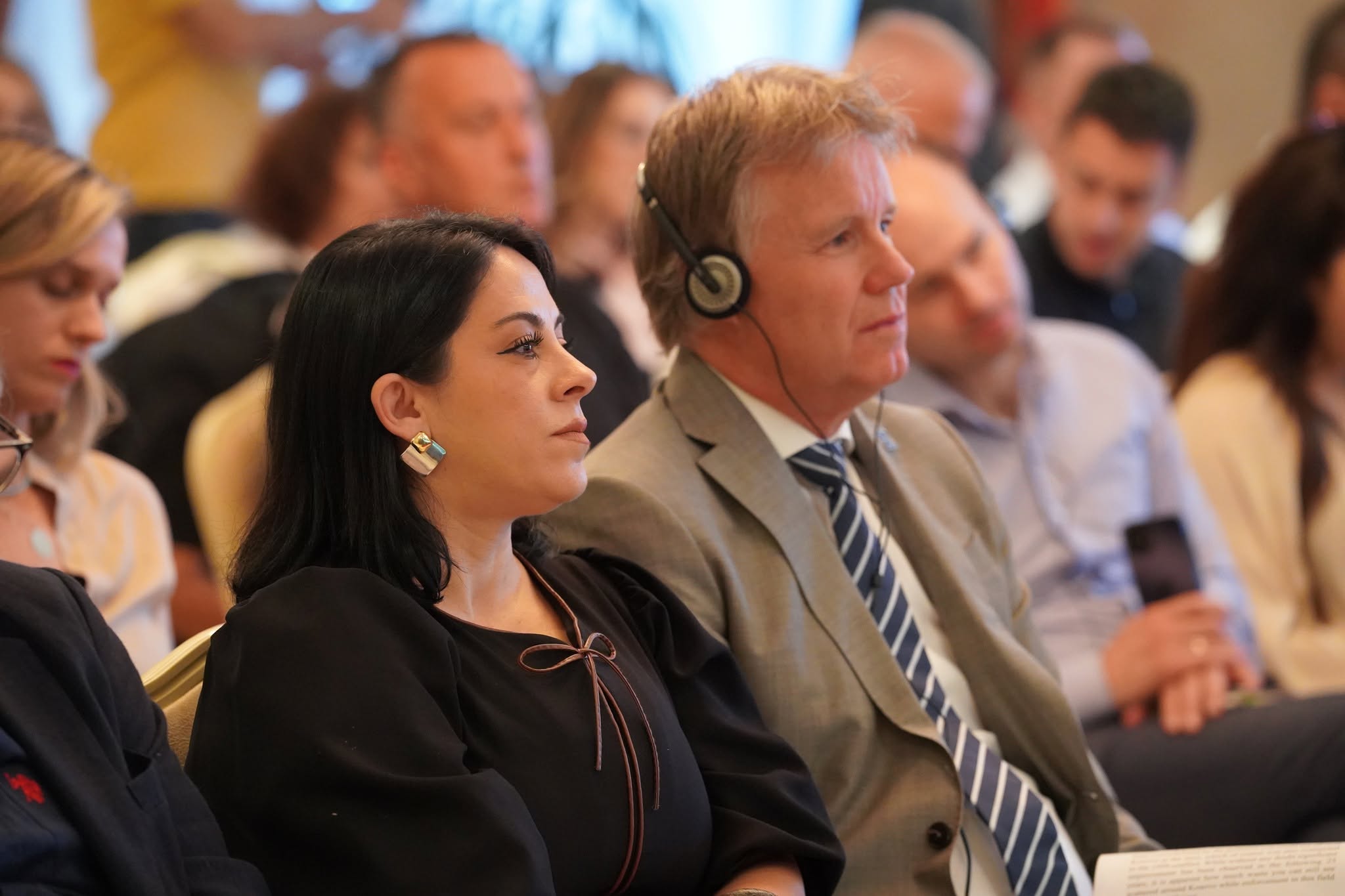
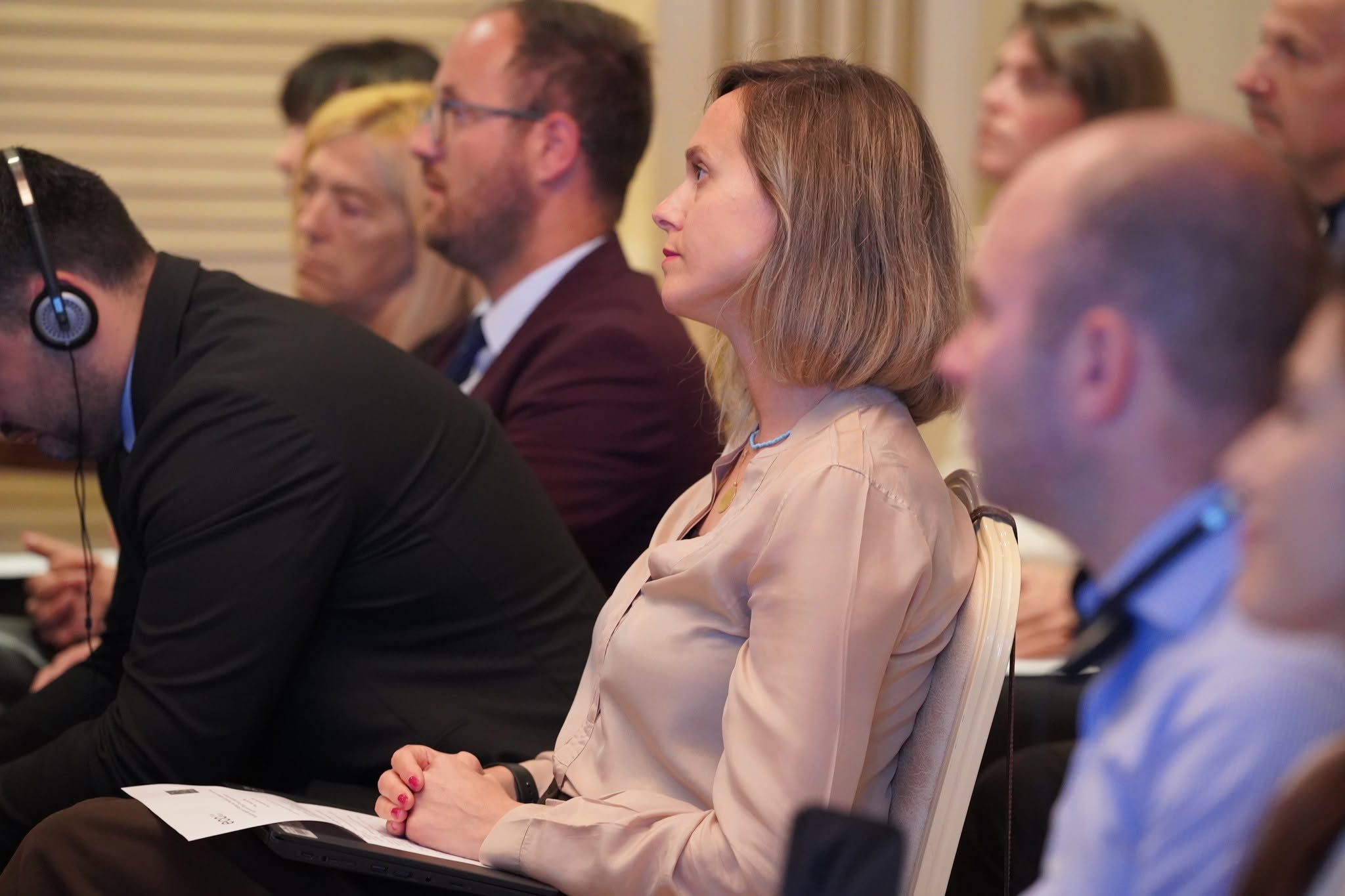
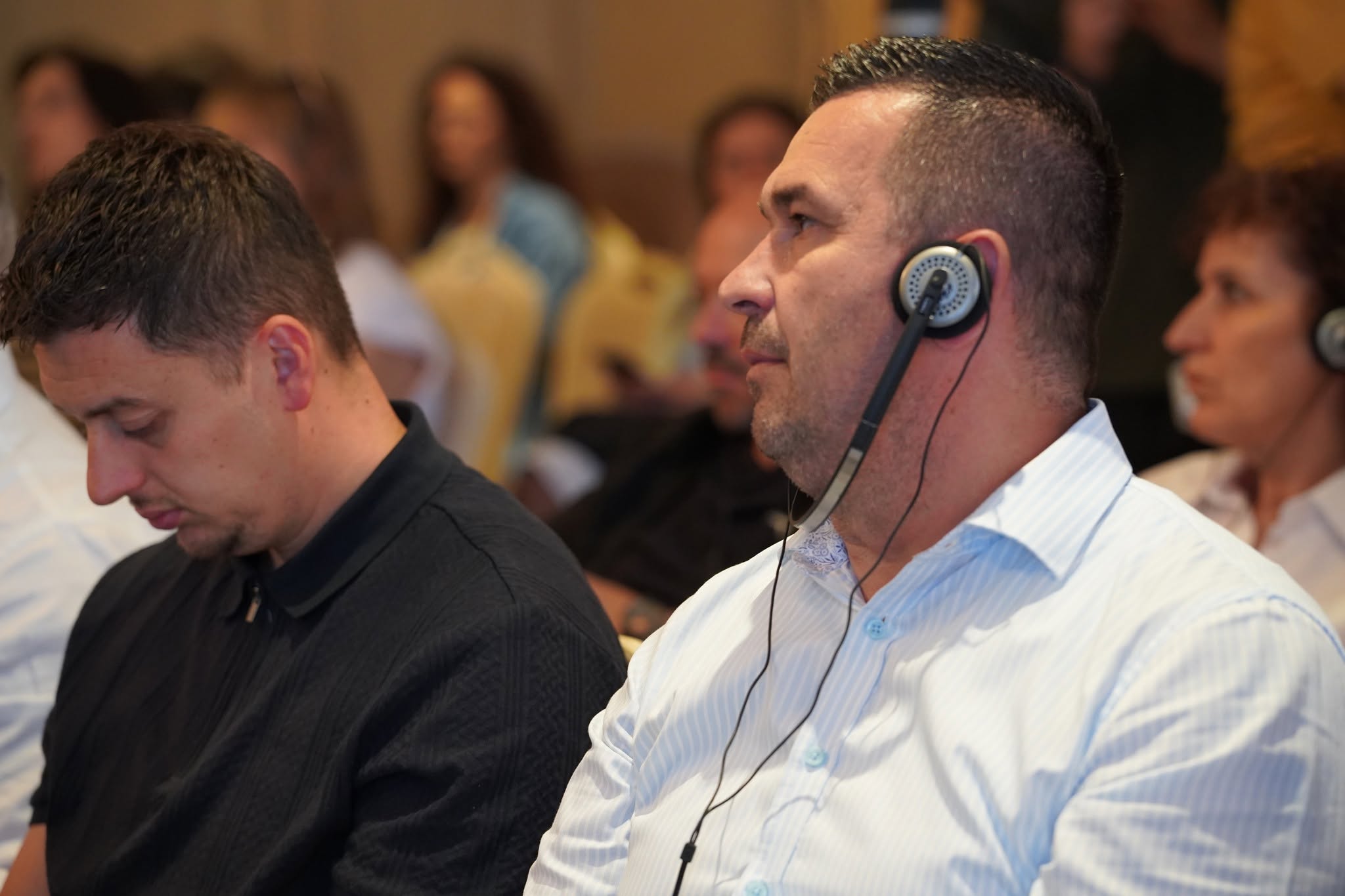
On 5 June 2026, World Environment Day, as part of its sustained commitment to supporting Kosovo authorities’ efforts to prevent, investigate, and prosecute environmental crime, the European Union Rule of Law Mission in Kosovo (EULEX), in partnership with the local NGO EcoZ (Youth Ecological and Security Zone), organised a roundtable discussion with rule of law institutions, environmental authorities, municipalities, waste management operators, international partners, civil society organisations, and experts, centred on the presentation of the EULEX-supported EcoZ report “Mapping and Preliminary Assessment of the Scale and Location of Illegal Waste Dumpsites in Kosovo.”
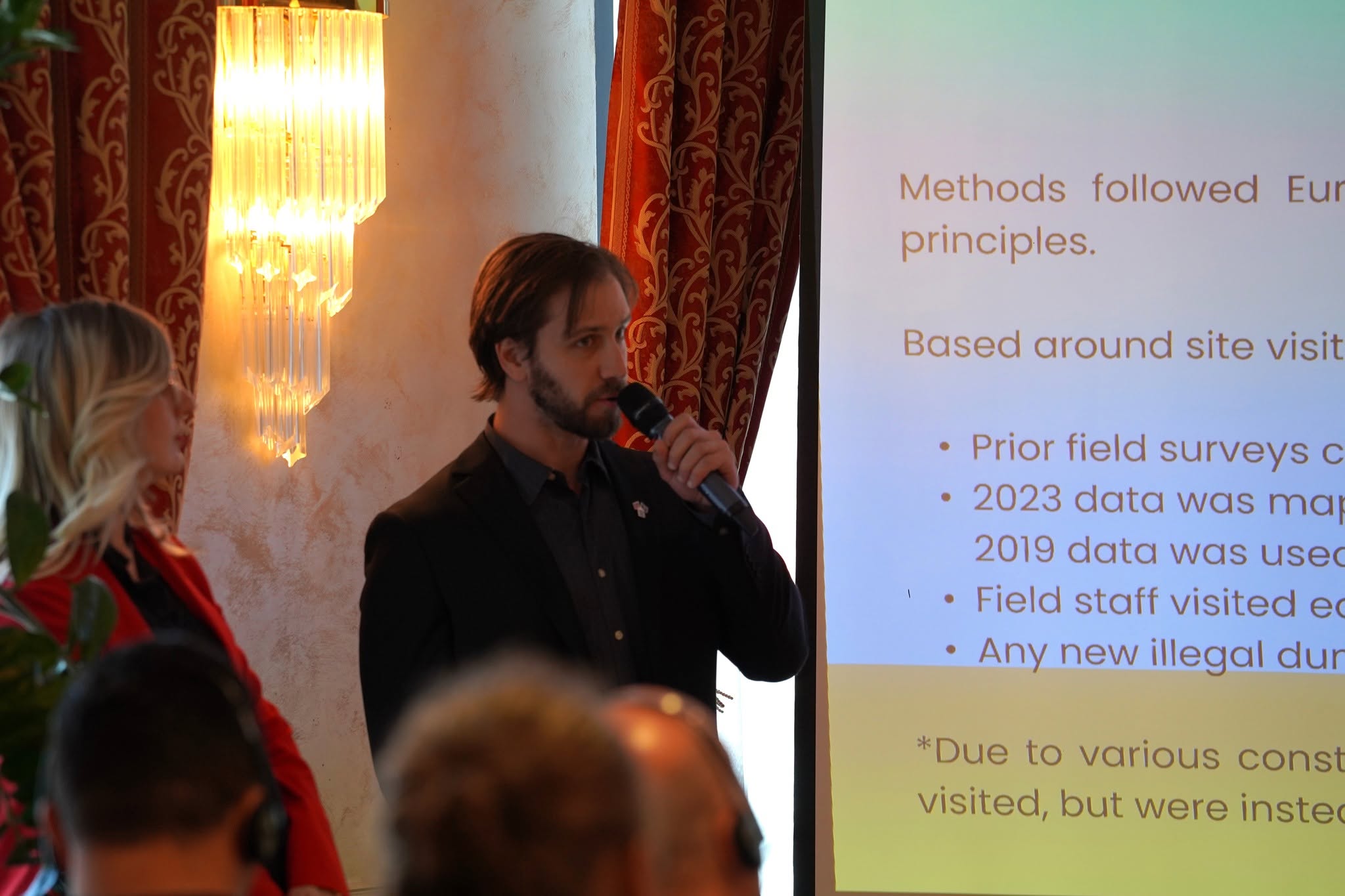
The report presented a field-based mapping and preliminary assessment of the scale and location of illegal waste dumpsites in Kosovo, based on both desk research and data collected through field visits, GPS coordinates, photographic evidence, and Google My Maps, providing a practical basis for institutional follow-up, inspection, enforcement, clean-up prioritisation, and public reporting.
In total, 477 locations were surveyed, of which 379 were identified as illegal waste dumpsites, showing that illegal dumping remains a persistent challenge despite the existence of a legal and regulatory framework for waste management.
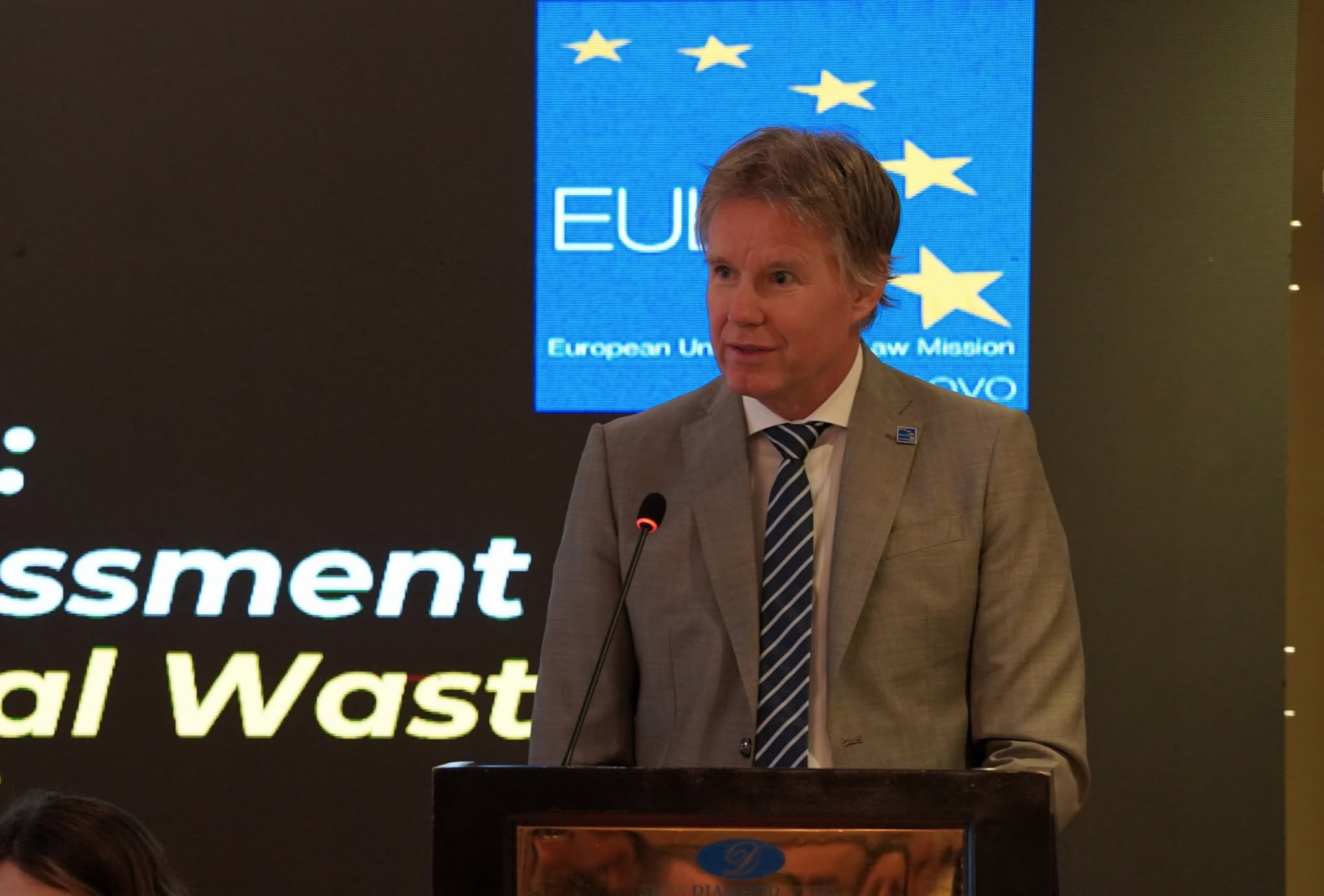
In his opening remarks, the Head of the EULEX Case Monitoring Unit, Hubert van Eck Koster, pointed out that the report, prepared within the framework of the EULEX-funded small-scale project “Environmental Crime Supporting Actions to Enable Rule of Law Effectiveness”, contributes to addressing environmental crimes in Kosovo while strengthening accountability, transparency, and the rule of law.
“The findings of this report are clear. Across the municipalities surveyed, hundreds of illegal dumpsites were identified. Many are located near rivers, roads, residential areas, and places of natural beauty. Some contain hazardous waste. Others have reappeared shortly after being cleaned up,” van Eck Koster said. Calling for a coordinated response among stakeholders, he stressed that “environmental laws exist for a reason. They exist to protect communities, future generations, and our shared natural heritage. When these laws are ignored, the consequences extend far beyond the waste itself.”
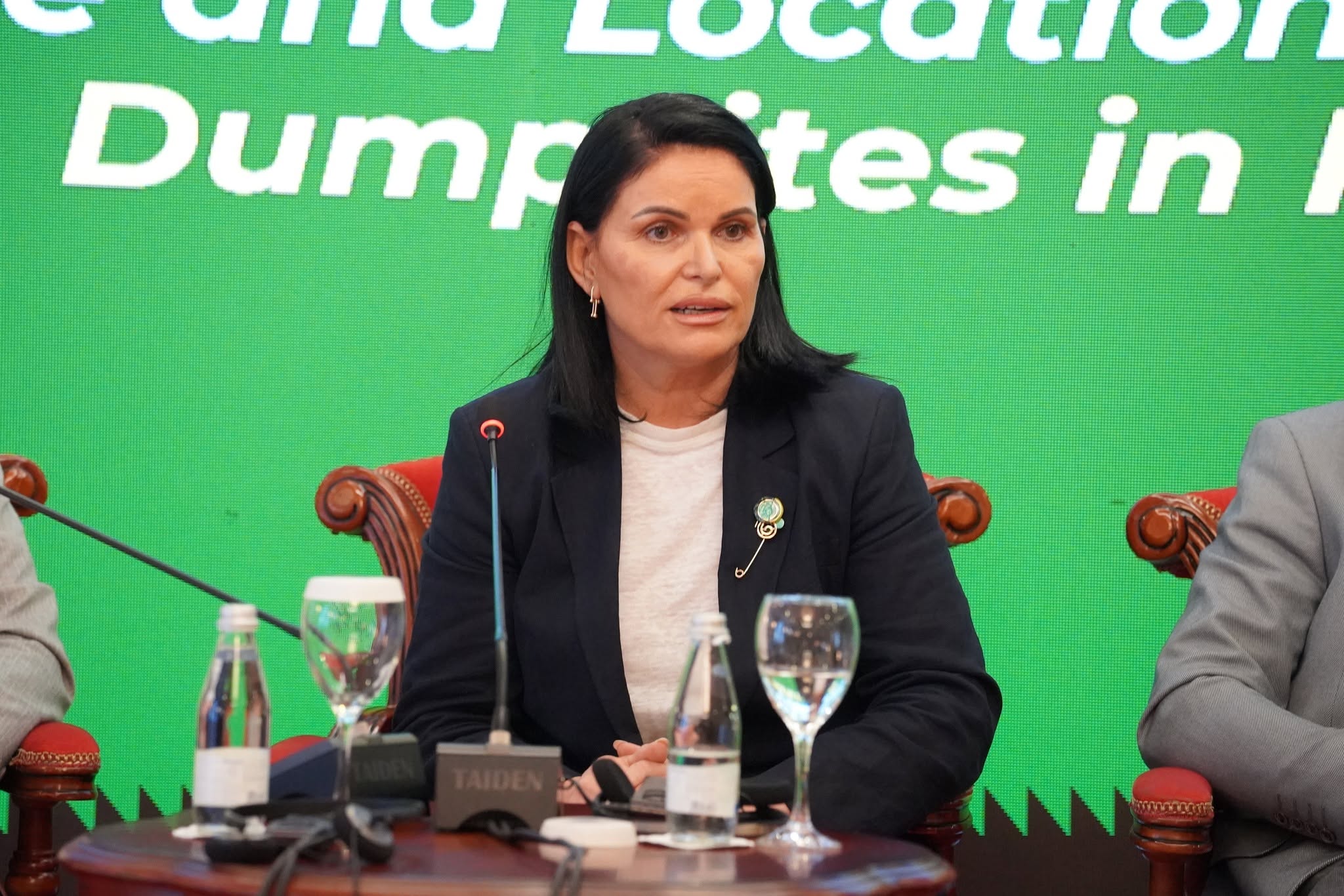
Opening the roundtable discussion, Lumturije Vucetaj, Chief Prosecutor of the Peja/Peć Basic Prosecution Office, explained that illegal dumpsites constitute a serious rule of law issue, as they pose a long-term threat to the environment and human well-being, affecting society as a whole and therefore requiring a consistent response from public institutions. She also acknowledged that public reporting tools can play an important role in helping detect environmental crime.
“Illegal dumpsites are a rule of law and public safety responsibility,” Vucetaj said. “They are not crimes without victims: all citizens are victims, not only the environment,” she pointed out, stressing that the police, prosecutors, and courts must address these cases at an early stage, identify and hold perpetrators accountable, and impose appropriate penalties, while strengthening cooperation with public authorities, citizens, and civil society organisations.
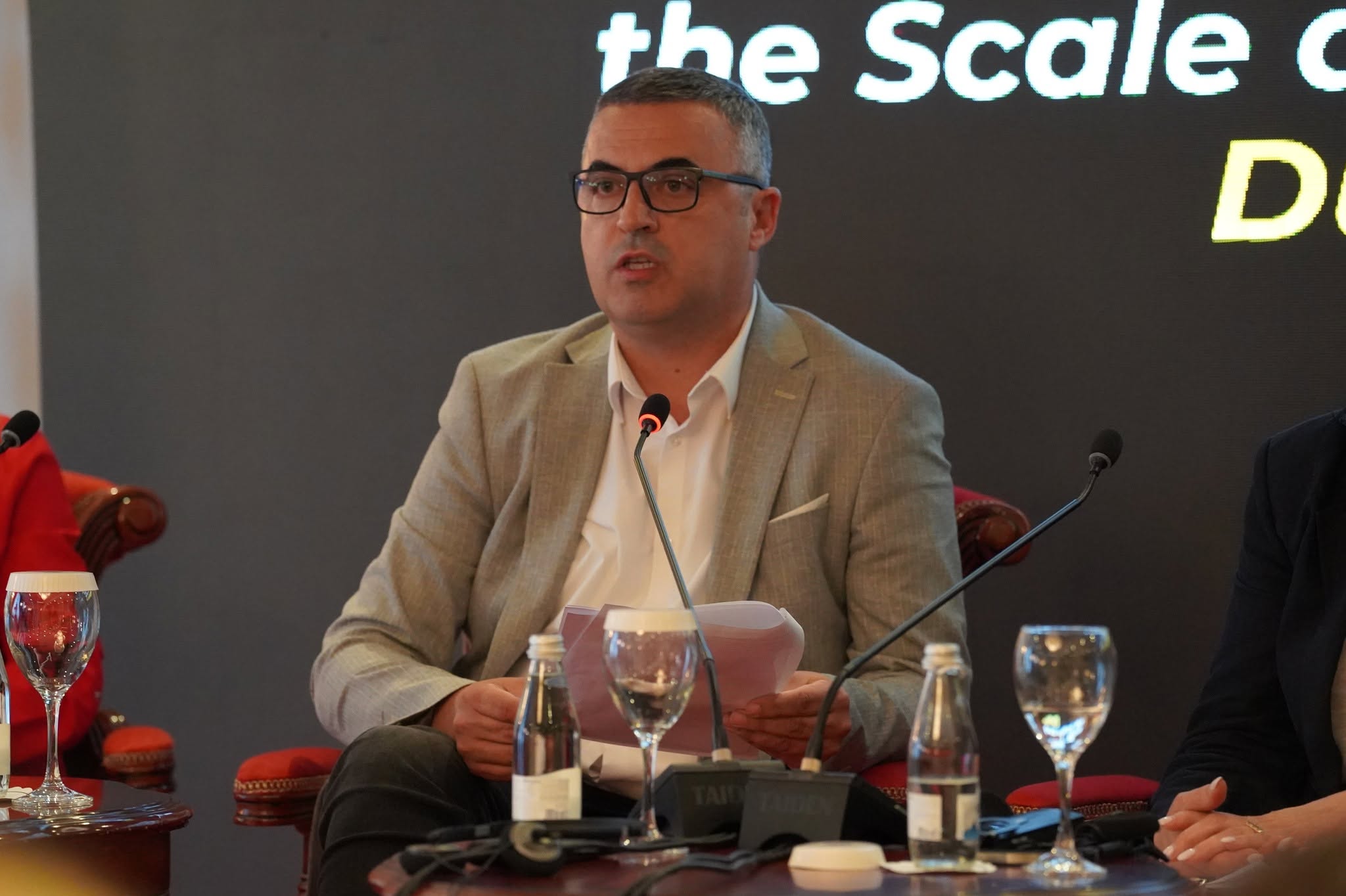
The Head of the Serious Crimes Investigation Sector of the Kosovo Police, Fadil Haliti, highlighted that since its establishment in 2014, as advised by EULEX, the Kosovo Police Environmental Crime Unit has played a key role in investigating environmental crimes affecting land, air, water, and ecosystems, while coordinating efforts across Kosovo. Although cooperation with public institutions, particularly environmental authorities, is strong, the unit continues to face challenges due to the limited availability of environmental experts to evaluate environmental damage.
Despite these challenges, Haliti recalled that the unit has strengthened enforcement efforts, significantly increasing the number of fines issued and working to hold perpetrators accountable. “Recently, on the occasion of the creation of an emergency operational group for waste management by the Ministry of Environment and Spatial Planning, our unit has appointed an official who will be close to this group to receive and distribute information regarding the waste issue,” he confirmed.
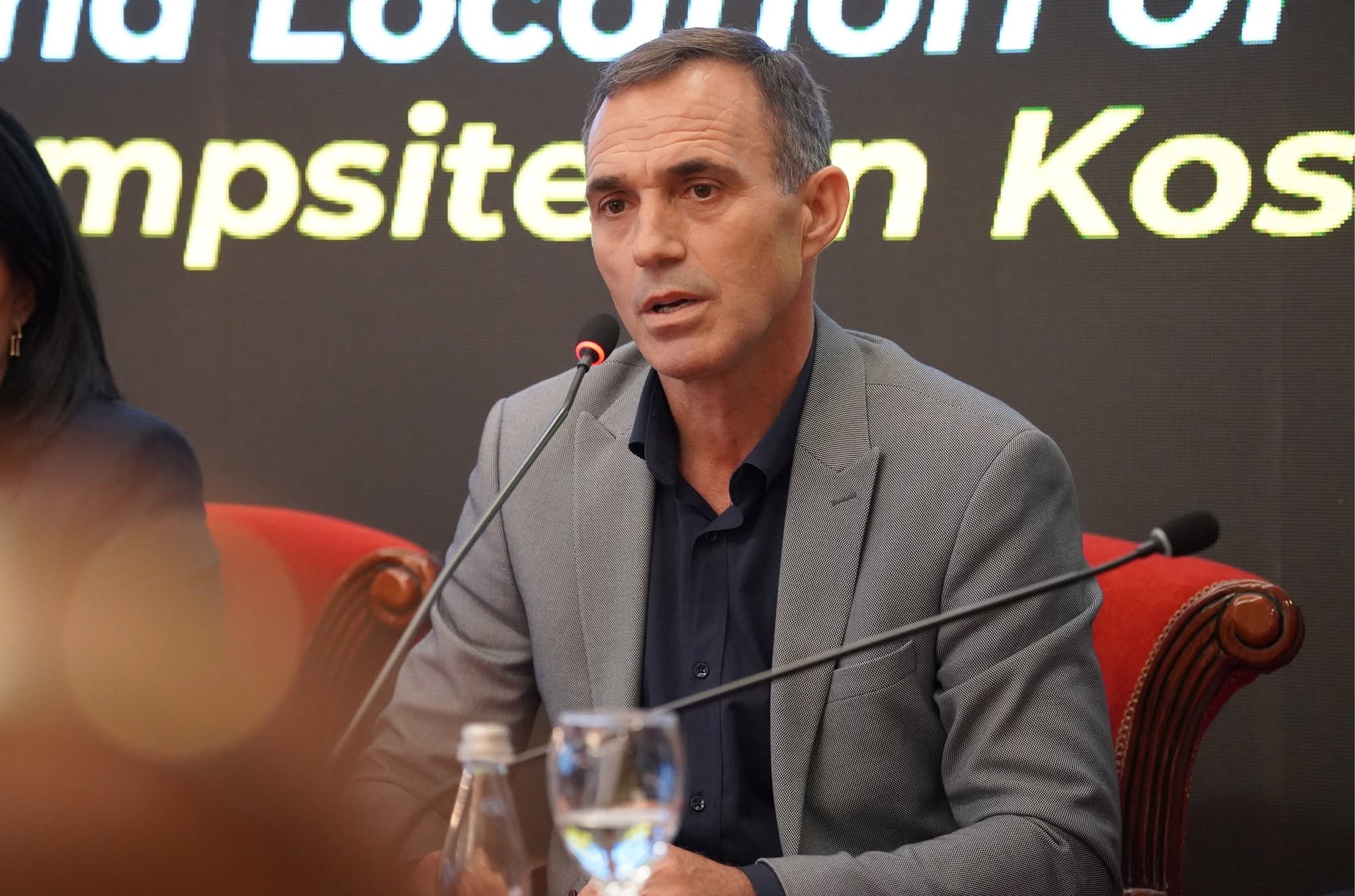
The Head of the Kosovo Environmental Protection Agency’s Division for Environmental Status, Tafë Veselaj, spoke about the role of the agency, which operates through three directorates and two institutes, including structures responsible for natural park management, highlighting its broad mandate in environmental protection and monitoring. He noted that Kosovo has established an institutional and legal framework for waste management that includes dedicated legislation, eight administrative instructions addressing illegal dumpsites, and an integrated licensing system that clearly defines responsibilities for landfill and waste site management. He further underlined that sustained monitoring, strengthened institutional coordination, and continued public awareness efforts have contributed to measurable progress in reducing the number of illegal dumpsites across Kosovo.
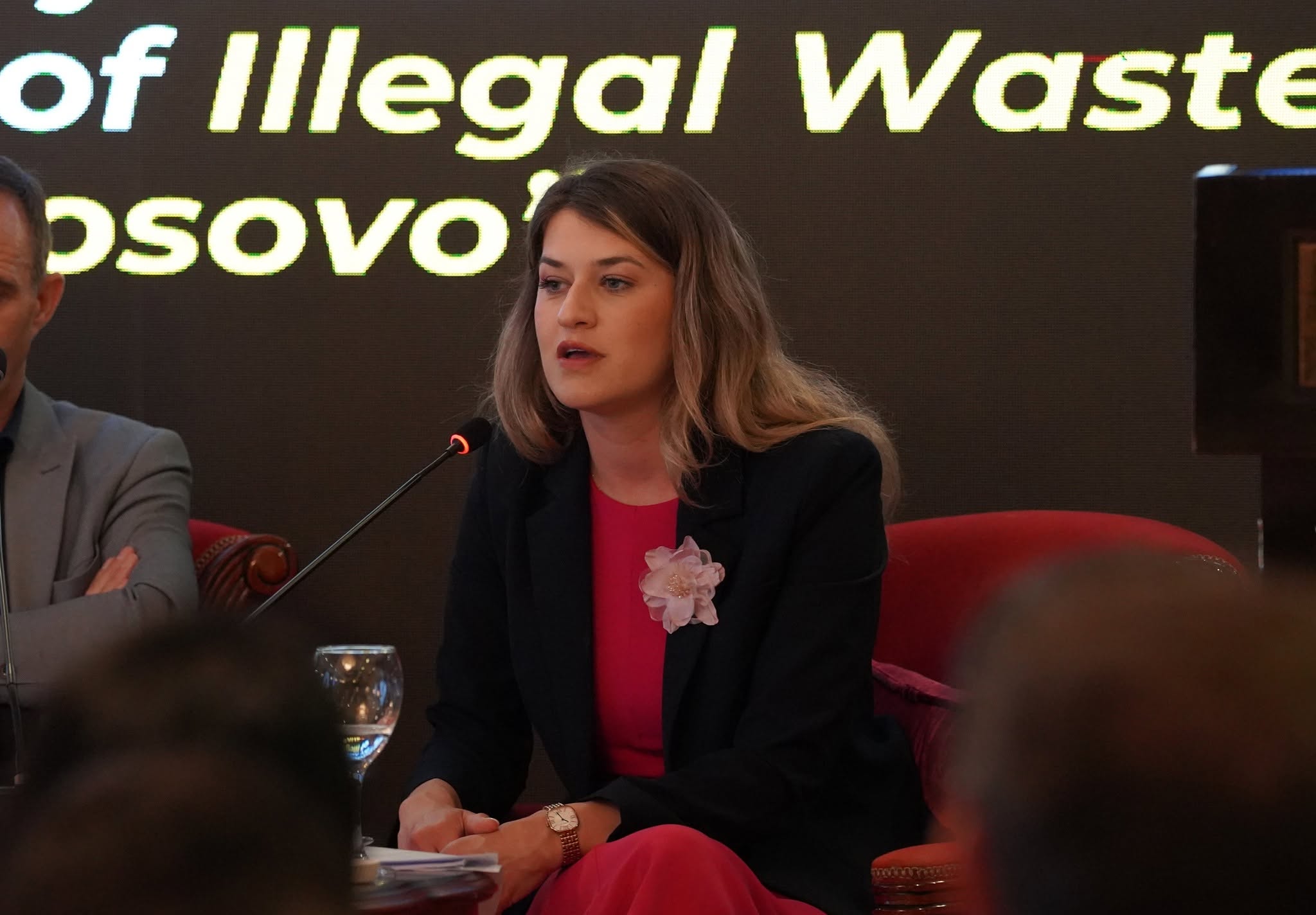
Linda Çavderbasha, Director for Planning and Development at the Kosovo Landfill Management Company, emphasised the urgent need to strengthen environmental education across Kosovo. “What is most important to do is to increase awareness among our citizens, to start education for environmental protection from elementary school, preschoolers. This, I believe, is the first element in the chain,” she said, adding that meaningful change starts with citizens’ awareness and everyday behaviour. She noted that even small but consistent actions, such as proper waste separation, reducing single-use plastics, and responsible disposal practices, can collectively have a significant positive impact on the environment.
She further highlighted the importance of advancing the circular economy in Kosovo, shifting away from traditional waste disposal models towards systems that prioritise reduction, reuse, and recycling, while also contributing to the development of strategic frameworks aligned with European Union standards aimed at improving waste treatment processes and operational efficiency across the four landfill sites under the company’s management.
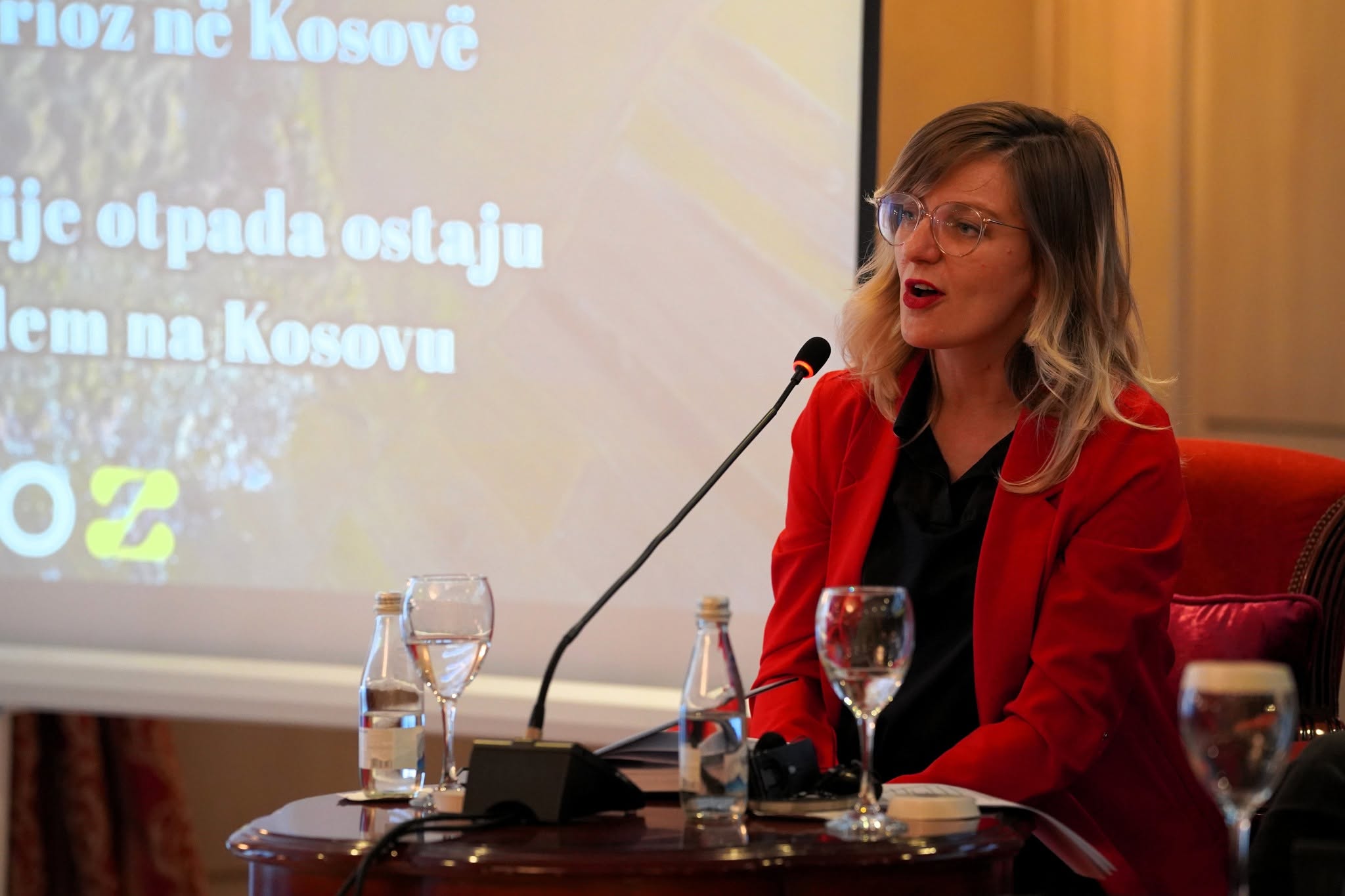
In her thorough presentation of the report’s findings and main recommendations, Egzona Shala Kadriu, Executive Director of EcoZ, recalled the need to strengthen cooperation among institutions, create a national database of illegal waste dumpsites, improve enforcement against environmental crimes, enhance waste management services, increase the monitoring and clean-up of high-risk areas, and, finally, strengthen citizen awareness and the capacity to report environmental crimes and violations to the Kosovo authorities.
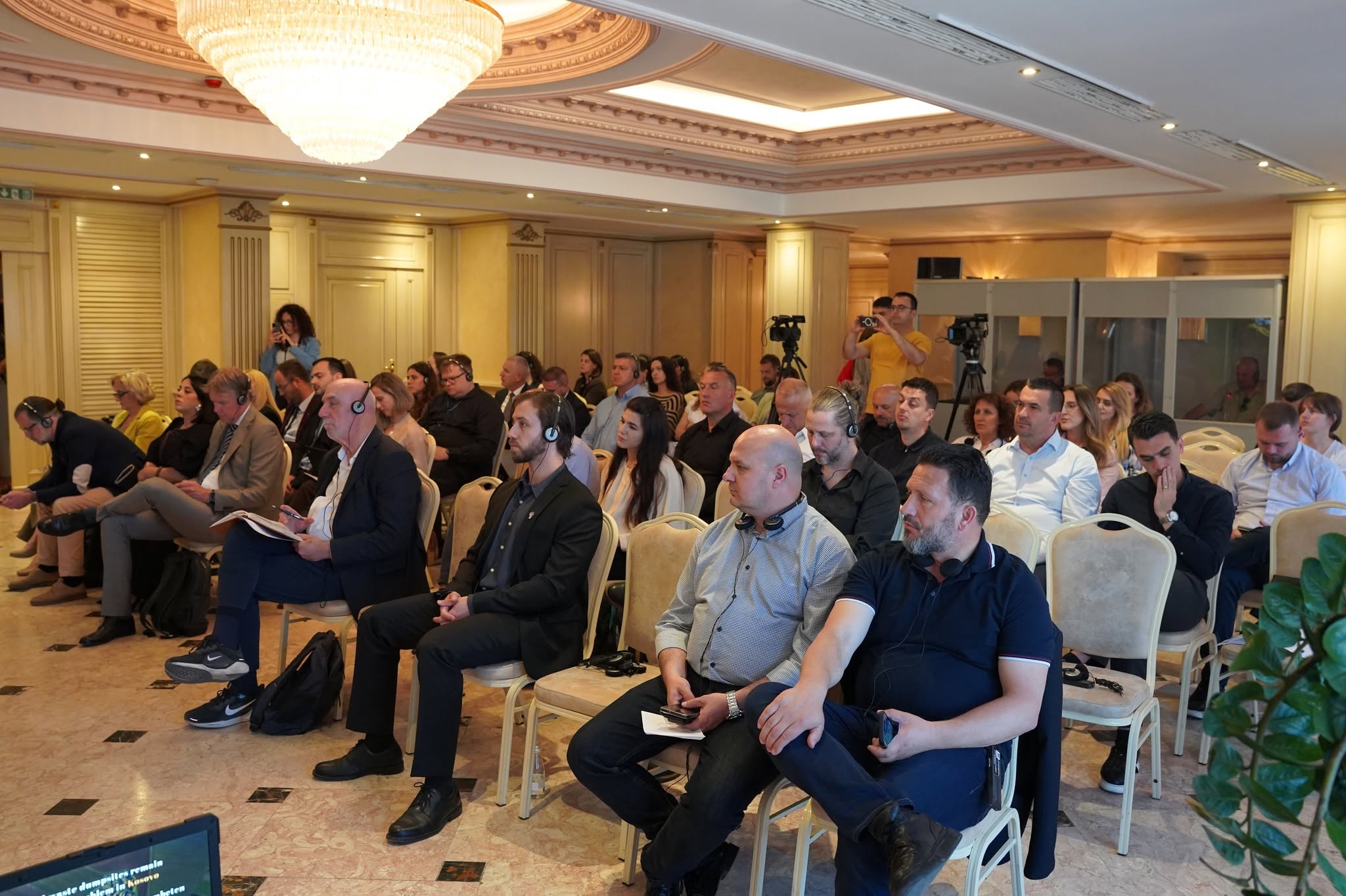
Contributing to the discussion, Olivier Boudart, EU Office in Kosovo Cooperation Section, Team Leader Environment, Climate Change and Sustainable Food Systems, emphasised that the issue should be understood and addressed as multifactorial and that it extends beyond Kosovo, reflecting a broader European challenge. He recalled the need for an urgent need to invest in sanitary landfills and the proper treatment of hazardous waste, as well as on the importance of Kosovo developing a national plan for landfills, which is one of the recommendations included in the EU Kosovo Report 2026.
Overall, participants agreed on the need safeguard the universal human right access to a clean and healthy environment, treating illegal dumping not only as a waste management problem, but also as an environmental crime and rule of law concern.
Read the full report here.